How to Buy Machinery Factory-Direct: Wholesale, OEM & ODM Guide for Importers

Buying machinery factory-direct means ordering from the manufacturer — not a dealer, trader or marketplace reseller — to get wholesale pricing, OEM/ODM customization and export support in one contract. For importers, distributors and contractors sourcing remote-controlled mowers, mini dump trucks, concrete mixers, tricycles or utility vehicles, a direct factory relationship typically cuts 20-40% off the landed cost versus going through intermediaries. This guide explains how factory-direct wholesale works at TorqMax, what OEM and ODM actually cover, and how to place your first order without costly mistakes.

What does “factory-direct” mean for machinery buyers?

A factory-direct supplier owns the production line for the machines it sells. TorqMax, for example, builds remote-controlled mowers, tracked dump trucks, concrete mixers, cargo tricycles, skid steer loaders and utility buggies in our own 8,000 sqm plant — so the price you are quoted is the manufacturer price, and customization happens at the source rather than through a distributor who cannot touch the product. The U.S. Small Business Administration recommends vetting suppliers directly when imports form a core part of your business model.

OEM vs ODM: what is the difference?

OEM (Original Equipment Manufacturing) means you take a standard TorqMax model and add your own brand — your logo on the machine, your name in the manual and packaging. ODM (Original Design Manufacturing) goes further: we adjust color, decals, accessories, engine options or even structural details to your specification before branding it as yours. Both routes give you an exclusive product line without building a factory yourself. Many of our landscaping, construction and distribution partners start with OEM branding and move to ODM once their volumes grow.

How to compare wholesale machinery suppliers

  • Factory or trader? Ask for the plant address and video call on the production floor. A genuine factory can show you machines being built.
  • Certifications — for North America, check EPA certificates for gasoline engines (see our EPA import guide); for the EU, CE documentation matters.
  • MOQ and lead time — TorqMax works from MOQ 1 unit for stock models, 15-30 days production.
  • Spare parts support — ask whether wear parts (blades, tracks, filters) ship from the same factory.
  • Payment terms — typical export terms are T/T with a deposit and balance against shipping documents; confirm before production.

Cross-check any supplier the same way you would vet any trading partner — the SBA import/export guidance is a useful starting framework.

What you can buy factory-direct from TorqMax

Category Models Typical buyers
Remote-controlled mowers 400-900mm cut, 224-764cc Landscapers, municipalities, orchards
Mini dump trucks 500-1000kg tracked Construction crews, rental yards
Concrete mixers 200-500L tracked Concrete contractors, hardscape firms
Cargo tricycles 1-3 ton, 150-350cc African & Asian distributors, farms
Skid steer loaders 330-450kg compact Landscaping, construction
ATVs & utility buggies 4-wheel gasoline Farms, resorts, rental operators

How does the factory-direct ordering process work?

  1. Send an inquiry with your models, quantity and destination port — via the contact form or WhatsApp.
  2. Get a quotation within 12 hours (Mon-Sat, GMT+8) with pricing and delivery options.
  3. Confirm specifications — engine, color, branding (OEM/ODM), accessories.
  4. Production starts after deposit; typical lead time 15-30 days.
  5. Inspection & shipment — photos/videos before dispatch, then export packing to your port.

New to importing tracked equipment? Our how-to-order page covers each step, and the FAQ answers payment, shipping and certification questions.

Wholesale buying guides by category

FAQ

What is the minimum order quantity (MOQ) at TorqMax?

MOQ is 1 unit for stock models, which lets importers test the market before committing to volume.

Can you put my brand on the machines?

Yes — OEM branding (logo, manual, packaging) is standard, and ODM changes to color, decals and accessories are available.

Do you provide EPA certificates for US import?

Yes. Gasoline-engine models carry US EPA Certificates of Conformity — see the EPA guide for details.

What are typical production lead times?

Stock models ship in 15-30 days after deposit; custom ODM builds take longer depending on the changes.

How do I know TorqMax is a real factory?

We operate an 8,000 sqm plant in China with over a decade of export history to 50+ countries — visit the About page for the company story and factory photos.

Last updated: September 7, 2026 — prices, specs and certifications verified with the factory.

Ready to source factory-direct? Tell us the models and quantity you need — get a wholesale quotation within 12 hours. Request a quote or WhatsApp +86 131 3833 7334.
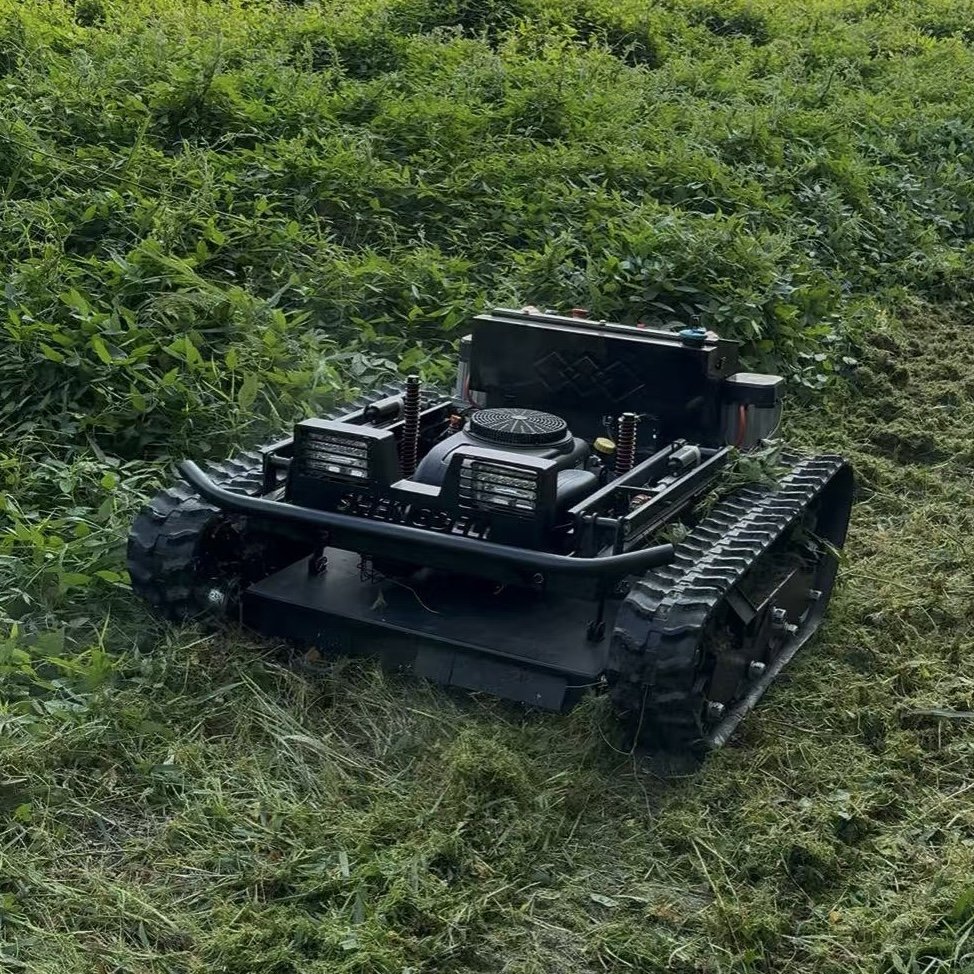
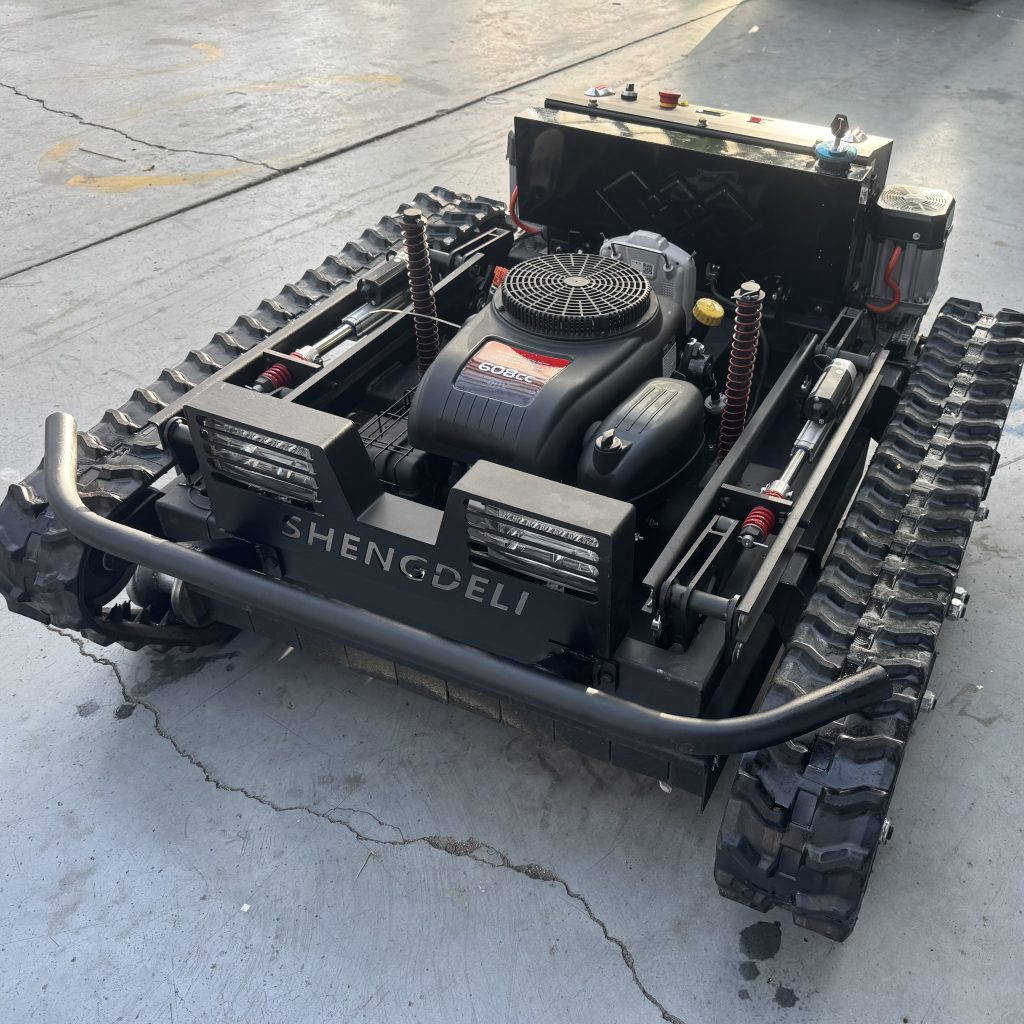
SDL764-90A 900mm Remote-Controlled Lawn Mower: Full Walkthrough Video and Review

The SDL764-90A is TorqMax’s 900mm remote-controlled tracked lawn mower, powered by a 764cc LONCIN gasoline engine — built for commercial slope mowing, orchard floors, municipal verges and large estates where a walk-behind machine is unsafe or too slow. This walkthrough video shows the machine in detail: the tracked chassis, the wide 900mm cutter deck, blade engagement, and how the remote control keeps the operator completely clear of the working zone on banks and ditches.

Product images

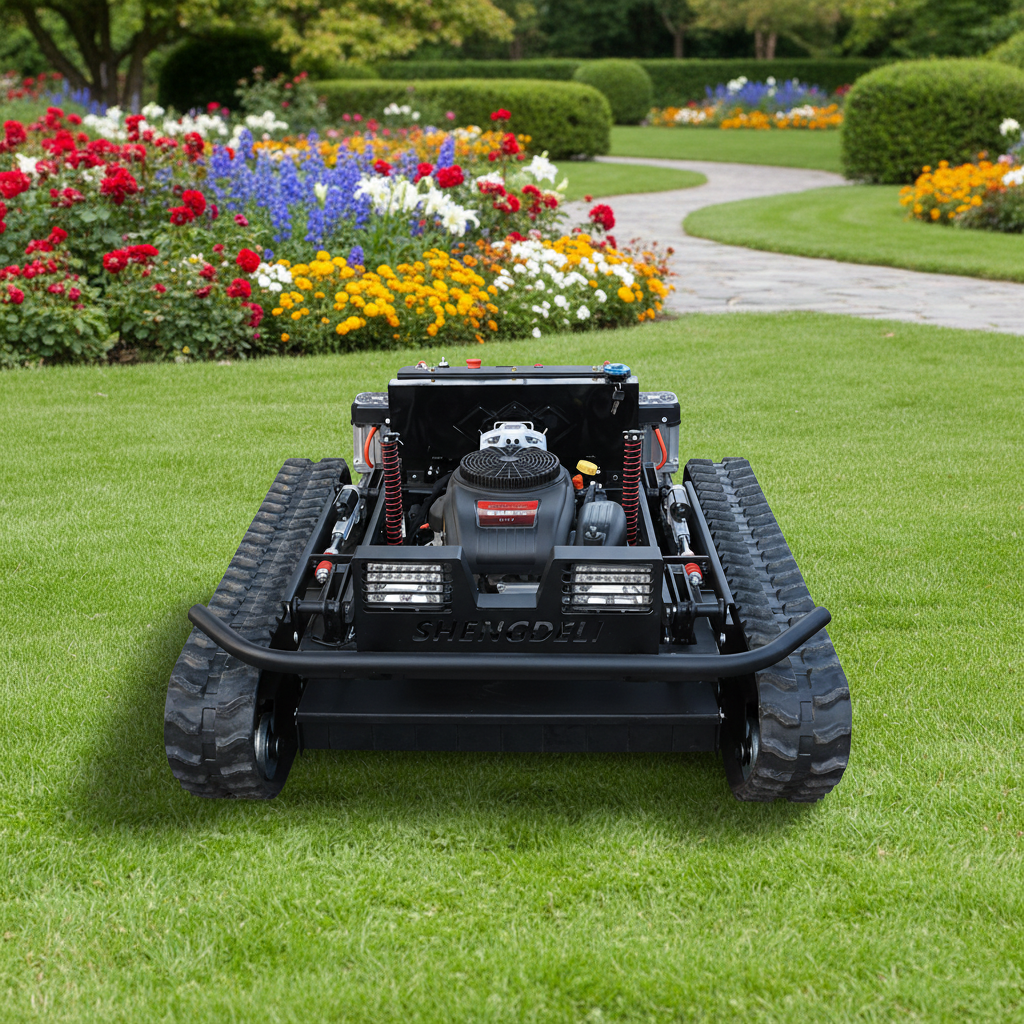
TorqMax SDL764-90A 900mm remote-controlled tracked lawn mower with 764cc LONCIN engine
SDL764-90A 900mm RC lawn mower side view — tracked chassis and cutter deck
SDL764-90A 900mm RC lawn mower detail view

Why a 900mm remote-controlled mower wins on big slopes

The wider the deck, the fewer passes — and on a 30-degree bank, fewer passes means less time exposed to the rollover and slip hazards that injure grounds crews every season. The American Society of Landscape Architects and municipal safety programs consistently recommend remote operation for slope work: the operator stands on level ground, well clear of the blade zone and the fall line. A 900mm deck lets one operator cover an estate or highway verge in a fraction of the time a 550mm or 700mm machine needs.

Video highlights: what the walkthrough shows

The 6-minute walkthrough is a straight, no-narration look at the machine — useful for buyers who want to see the real unit before requesting a quote. Key sections:

  • Tracked chassis and ground clearance — rubber tracks that protect turf while climbing slopes and crossing soft ground.
  • 900mm cutter deck — the widest deck in the TorqMax remote-mower range, with heavy-duty blades for tall grass and light brush.
  • 764cc LONCIN engine — 19kW of power with electric blade engagement; see the EPA guidance on non-road engine emission standards for import compliance.
  • Remote control in hand — range and the safety benefit of operating from the edge of the job.

Specifications at a glance

Cutting width 900mm
Engine 764cc LONCIN gasoline (19kW)
Dimensions 1560 x 1450 x 700 mm
Chassis Steel frame, rubber crawler tracks
Packaging Export wooden crate / pallet
MOQ / Lead time 1 unit / 15–30 days

Who buys the 900mm model

  • Municipal and highway crews — verge and embankment mowing where operator safety rules out walk-behind work.
  • Orchard and vineyard managers — clean mowing under and between trees without scalping or trunk damage.
  • Estate and golf facilities — large maintained areas cut fast by one operator with a remote unit.
  • Landscape contractors — the productivity jump from a 700mm to a 900mm deck pays back quickly on recurring contracts.

How it fits the TorqMax remote-mower range

The SDL764-90A is the top of the 900mm class. For smaller budgets or tighter spaces, see the SDL608-80B 800mm model and the SDL452-80C 800mm mower; for diesel power in the same width class, the SDL195-80B diesel mower runs cooler on long summer days. Our remote-controlled lawn mower buying guide explains how to match cutting width, engine and terrain to your operation.

Related reading

New to remote mowing? Compare remote-controlled vs walk-behind mowers for the safety and productivity case, read the slope and municipal buying guide, or plan the business around it with our guide to starting a lawn care business. Importing to the US? Check the EPA certificate guide first.

FAQ

What is the cutting width of the SDL764-90A?

The SDL764-90A has a 900mm cutting width — the widest in the TorqMax remote-controlled mower range, designed for large slopes, orchards and municipal verges.

What engine does the 900mm mower use?

It runs a 764cc LONCIN gasoline engine rated at 19kW, with electric blade engagement and a tracked chassis for slope stability.

Is the SDL764-90A EPA-compliant for US import?

Yes — like all TorqMax mowers it uses LONCIN engines covered by a current US EPA Certificate of Conformity (TCGPS.2241PC-055).

Can one operator handle the 900mm machine?

Yes — that is the point of remote control. The operator stands clear of the working zone and drives the machine with the handheld remote, which is how municipal crews mow banks safely.

Want the full spec sheet or a quote? Send us your terrain and property sizes — our team recommends the right configuration and quotes factory-direct wholesale pricing within 12 hours (Mon–Sat, GMT+8). Request a quote or WhatsApp +86 131 3833 7334.
Last updated: September 7, 2026 — prices, specs and certifications verified with the factory.

Remote Controlled Brush Cutter for Slopes: Clearing Tall Grass Without Risk

A remote controlled brush cutter is the safest way to clear tall grass, brush and undergrowth on slopes, ditches and roadside verges — the operator stands clear of the blades while the machine works the ground. This guide covers what to look for, how heavy a job each spec handles, and where a tracked brush mower earns its keep for municipalities, contractors and land managers.

Why remote operation matters on slopes

Walk-behind brush cutters on a steep bank put the operator at risk of slips, kickback and blade contact — and the taller and thicker the growth, the harder the machine pulls. A brush cutter for slopes operated by remote control removes the person from the danger zone entirely, which is the same logic driving remote mower sales to municipalities and maintenance contractors across Europe and North America. On ditch banks, the operator works from the top of the slope; on roadside verges, from behind the barrier. The machine goes where the crew used to go on foot.

Tracked chassis vs wheels

For rough, overgrown terrain, tracks beat wheels on three counts: they grip wet grass and loose soil, they ride over small obstacles and hidden stumps instead of hanging up on them, and they spread the machine’s weight so it does not sink into soft ground. A tracked brush cutter also turns on the spot, which matters in tight verges and tree lines where a wheeled machine needs room to maneuver. If the job site is genuinely rough — old pasture, reverted ditches, abandoned plots — tracked running gear is not a luxury; it is what keeps the machine moving.

Engine and cutting width: sizing the job

The TorqMax SDL900 carries a 900mm clearing width and a Changchai 192F diesel engine — enough torque to chew through thick stems and heavy growth without stalling. The 900mm deck clears roughly a third more ground per pass than a 600-700mm machine, which is the productivity argument on large verges and reclamation sites. Diesel is the right fuel for sustained professional use: better fuel economy, longer service life, and none of the carburetor storage problems that gasoline engines develop between jobs. The machine also runs 2400W of drive motors through its tracked chassis, keeping forward power available even in dense growth.

See the 900mm remote-controlled tracked brush cutter (SDL900) for full specifications.

Typical applications

  • Roadside verges and embankments for municipalities
  • Drainage ditch banks and canal slopes
  • Orchard and vineyard undergrowth between rows
  • Vacant lots and land reclamation sites
  • Hillside fields being brought back into use
  • Utility and pipeline corridors needing annual vegetation control

For land managers, the common thread is ground that is too steep, too rough or too overgrown for a standard mower — exactly the work that previously meant hand-held brush cutters and a crew on the bank.

What to budget beyond the machine

  • Blades — heavy brush wears blade edges fast; keep a spare set on hand.
  • Track maintenance — check tension and wear on abrasive terrain.
  • Diesel servicing — simple periodic service (oil, filters) keeps the 192F running for years.
  • Safety kit — hearing protection and site signage for crew working near the operation.

Buying factory-direct means blades, tracks and engine parts ship from the same plant as the machine — no third-party sourcing when a blade breaks mid-contract.

Import notes: EPA and CE

Like all TorqMax gasoline and diesel equipment, the brush cutter ships with the export documentation your market needs — request the EPA certificate for US-bound diesel models or CE documentation for European destinations with your quote. See the EPA certificate importer guide for what to verify before the PO.

Frequently asked questions

How steep can a remote brush cutter work? Tracked remote machines hold slopes well past the angles a hand-held operator should attempt; remote operation keeps the person off the bank entirely.

What thickness of growth can the SDL900 clear? The 900mm deck with the Changchai 192F diesel engine chews through tall grass and woody undergrowth up to the practical limits of the blade system — the right machine for reverted and overgrown ground.

Is diesel better than gasoline for a brush cutter? For sustained professional use, yes — better fuel economy, longer service life and no carburetor storage issues.

Can the brush cutter be OEM-branded? Yes — branding, colors and packaging can be configured for distributors and municipal tender suppliers.

What is the MOQ? MOQ is 1 unit, with lead time 15-30 days and export wooden-crate packing.

Ready to spec a brush cutter for your terrain? Tell us the ground conditions and area — we reply within 12 hours (Mon-Sat, GMT+8) with a model recommendation and factory-direct pricing. Request a quote or WhatsApp +86 131 3833 7334.

Related reading

Last updated: September 8, 2026 — prices, specs and certifications verified with the factory.

Compact Tracked Skid Steer Loader: What a 330-450kg Mini Loader Can Do

A compact tracked skid steer loader is the machine that fits where full-size loaders cannot — through a 90cm doorway, down a greenhouse aisle, across a finished lawn. In the 330kg–450kg class, it replaces manual labor for grading, excavation, material handling and cleanup on small and medium sites.

What the 330kg and 450kg classes handle

The SDL330 (330kg operating capacity) is the entry point: light grading, soil moving, aggregate handling and greenhouse work. The SDL450 (450kg) adds reach and breakout force for heavier landscaping, excavation and backfilling. Both run on rubber tracks, so they work on soft ground and finished surfaces without leaving ruts.

Mini skid steer vs full-size loader

A mini skid steer with tracks trades a little bucket capacity for access and ground pressure. On a typical residential landscaping job — grading a yard, moving topsoil, loading a trailer — the compact loader completes the work in the same time because it does not waste trips getting into position. On a construction site, it handles cleanup and trench backfill while the big machine works the main cut.

Where a small tracked loader earns its keep

  • Landscaping — grading, topsoil spreading, mulch and paver handling on lawns you cannot tear up
  • Excavation support — trench backfill, spoil removal and leveling on confined sites
  • Greenhouse and nursery — narrow aisles, soft floors, daily material moves
  • Demolition cleanup — loading rubble into skips where a big machine cannot reach
  • Farm work — manure, feed, gravel and muck-out work around buildings

Grading and leveling

With a leveling bucket or blade, the compact loader does fine grading for paths, pads and stable floors. The tracked chassis holds a consistent cut on soft ground, and the operator sees the work directly — no spotter needed on most jobs. For a small skid steer for grading and leveling, the 330–450kg class is the practical sweet spot.

Buying factory-direct

TorqMax supplies compact tracked skid steer loaders factory-direct from Shenzhen, China. MOQ 1 unit, lead time 15–30 days, export wooden-crate packing, 12-month warranty and full spare parts support. Wholesale and OEM/ODM available. Send your target capacity and attachments for a CIF/FOB quote within 12 hours (Mon–Sat, GMT+8).

Request a Quote

Planning a larger order or your own brand? Read the full guide to buying machinery factory-direct — wholesale, OEM and ODM.

Last updated: September 7, 2026 — prices, specs and certifications verified with the factory.

Frequently asked questions

How much can a 330kg-class loader lift? The SDL330 carries a 330kg operating capacity — the entry point for light grading, soil moving and greenhouse work. The SDL450 steps up to 450kg for heavier landscaping and backfilling.

Will tracks damage a finished lawn? No — rubber tracks give low ground pressure, which is exactly why these loaders work on turf and soft ground where wheeled machines leave ruts.

What attachments are available? Buckets, grading blades and material-handling attachments are available; tell us your target work and we will confirm the matching setup.

Is a compact loader worth it for landscaping? On any site with regular grading, topsoil or mulch work, the compact loader replaces sustained manual labour and typically pays back within a season of commercial use.

Can I order OEM/ODM? Yes — capacity options, attachments, branding and packaging can be configured for distributors and fleet buyers.

Related guidance: the U.S. Small Business Administration covers equipment planning for landscaping and construction businesses — useful when building the case for your first compact loader.

Remote Controlled Lawn Mower Buying Guide: Slopes, Orchards and Municipal Grass

A remote controlled lawn mower is the machine you operate from a distance — which makes it the safest answer for steep slopes, orchards, roadside verges and municipal grass. This buying guide covers what actually matters when choosing one: cutting width, engine size, track type, remote range and certification — so a contractor, estate manager or municipal buyer can spec the right machine rather than the most impressive one.

Why buy a remote control mower at all?

Walk-behind mowers are dangerous on slopes, and ride-on mowers roll on gradients above about 20 degrees. A remote control mower for steep hills keeps the operator clear of the blades and the tipping zone entirely — the operator stands on level ground and drives the machine with the handheld remote. The same machine handles drainage ditch slopes, embankments and roadside verges that crews currently cut by hand or with equipment that puts people at risk. Beyond safety, remote operation removes the physical grind: one operator covers banks and rough ground all day without wrestling a machine, which is why landscapers and municipalities that buy one remote mower usually buy a second.

Cutting width: 400mm to 900mm

Width is the productivity number — wider decks cut more per pass and fewer passes mean less time on the slope. A 550mm RC lawn mower suits estates and orchards where manoeuvrability matters; a 700-800mm model roughly doubles daily coverage and is the common choice for contractors; a 900mm deck is for large-scale municipal and golf-course work. Match the deck to the terrain first — wider decks are heavier in tight turns between trees, so an 800mm machine can outwork a 900mm unit in orchard rows even though it is narrower on paper.

TorqMax SDL range spans both ends of the practical spectrum — from the compact 550mm model up to the 900mm unit — with the mid-range 700-800mm machines the most popular for commercial crews. See the full range on the remote-controlled lawn mowers catalog page.

Engine: 224cc to 764cc gasoline

Engine size follows deck width. Our 224cc LONCIN models (4.8kW) handle 400-550mm decks; 452cc (9.0kW) and 608cc (11.5kW) LONCIN engines drive 700-800mm decks through thick grass without stalling; the 764cc and diesel options are for the heaviest continuous work. The practical rule is the same as width: match power to grass density and weekly hours, not to the biggest number on the brochure. Tall, damp grass is the real test — a marginal engine will stall exactly when the job is at its hardest.

Tracks, not wheels

A tracked RC lawn mower grips slopes and soft ground that wheeled machines cannot hold, and low ground pressure protects turf — which is why tracked machines are the standard for fine turf, orchards and anything above gentle gradients. Wheeled machines are lighter and cheaper but slip on wet banks and rut soft soil.

Terrain Drive Why
Flat to 15 degrees, firm ground Either Wheels cheaper and lighter
15-25 degrees, damp grass Tracked Traction and no sinking
Over 25 degrees / ditches Tracked + RC Operator stays off the bank

Remote range and control feel

Check the remote range against your real job — mowing a long verge or the far side of a ditch means operating at distance. Range figures on spec sheets are line-of-sight maximums; in practice, trees, buildings and terrain cut that down, so allow a generous margin over your longest typical operating distance. Also confirm the remote gives you independent control of drive and blade (so you can stop the blades while repositioning) and an emergency stop within easy reach. These control details matter more on a slope than any headline horsepower figure.

Certification: EPA, CE and paperwork

All TorqMax mowers carry EPA-certified engine options for the U.S. and Canadian markets — ask for the EPA Certificate of Conformity when you buy, and European buyers should request CE documentation with the order. The paperwork is part of the standard export file we prepare per shipment, so importing is a matter of confirming your destination market up front rather than chasing certificates later.

Maintenance and spares for a working machine

A remote mower is only as good as its uptime, so plan for the consumables: blades (the fastest-wearing part), air and fuel filters, spark plugs, and rubber-track sections for abrasive terrain. Ask for a recommended spares kit with the first order — most commercial operators keep blades and filters on the truck all season. Buying factory-direct means wear parts come from the same plant as the machine, with no third-party sourcing when a blade breaks mid-contract.

Decision checklist before you order

  • Measured the steepest slope and the tightest terrain?
  • Chosen width by pass-count on your real jobs (550-900mm)?
  • Matched engine power to grass density and weekly hours?
  • Confirmed tracked drive for anything over ~15 degrees?
  • Checked remote range against your longest operating distance?
  • Requested EPA/CE paperwork for your destination market?
  • Planned a spares kit with the first order?

Answer all seven and you are ready to order with confidence.

Related guidance: U.S. EPA — non-road engine emission standards (applies to mower engines). Check the current official requirements for your destination market before ordering. Read the official guidance.

Frequently asked questions

How steep a slope can a remote control mower handle? Tracked RC models hold traction well past the angles a walk-behind operator should attempt; above roughly 25 degrees, remote operation is effectively the only safe way to mow.

What size RC mower do contractors buy? Most commercial crews standardize on 700-800mm decks for the balance of coverage and manoeuvrability; municipalities and golf facilities step up to 900mm.

Are these mowers EPA-compliant for the US? Yes — gasoline models carry current EPA Certificates of Conformity; request the paperwork with your order.

What is the remote range? Spec-sheet ranges are line-of-sight maximums; tell us your longest operating distance and we will confirm the model that comfortably covers it.

Can I get my brand on the mower? Yes — OEM branding and ODM customization are available for distributors and project buyers.

Last updated: September 8, 2026 — prices, specs and certifications verified with the factory.

Ready to spec your remote mower? Tell us your terrain, acreage and weekly hours — we reply within 12 hours (Mon-Sat, GMT+8) with a model recommendation and factory-direct pricing. Send an inquiry or WhatsApp +86 131 3833 7334.

Related reading

Planning a larger order or your own brand? Read the full guide to buying machinery factory-direct — wholesale, OEM and ODM.

Tracked Mini Dump Trucks and Concrete Mixers: 7 Job-Site Combinations That Save a Crew

On small construction and farm job sites, the two machines that pay for themselves fastest are a tracked mini dump truck and a tracked concrete mixer. Used together, they replace a wheelbarrow, a second crew member and a lot of walking. This guide covers the job-site combinations where the pair earns its keep.

1. Fence post foundations

A 200L tracked concrete mixer like the SDL200L 200L tracked concrete mixer mixes one batch at a time, and a 500kg tracked mini dump truck carries it down the fence line. The truck’s hydraulic dumping places each batch exactly at the post hole — no shoveling, no wheelbarrow runs across wet ground.

2. Greenhouse and nursery floors

Greenhouse aisles are narrow and the floor has to stay clean. A self-propelled concrete mixer on rubber tracks moves the batch without tearing up the surface, and a walk-behind dumper spreads it. Low ground pressure matters more than speed in this work.

3. Orchard irrigation channels

Lining irrigation channels and sumps means concrete has to travel the last few hundred meters over soft soil. A tracked concrete mixer for orchard work mixes on site, and the dump truck hauls aggregate and spoil in the same trip cycle.

4. Village road and culvert repairs

Patch repairs on rural roads rarely justify a truck mixer. A gasoline concrete mixer (R21, R420 or R500 engines, 200L–500L drum) makes the batch at the roadside, and a hydraulic mini dump truck runs it to the pour point. One operator handles both machines with walk-along controls.

5. Retaining walls and light foundations

For footings and small retaining walls, the winning rhythm is: mix 500L, haul it, tip it into the form, repeat. The 500L concrete mixer with R420 15HP engine keeps up with the pour rate, and a 1000kg tracked lift dump truck places concrete up to 1.4m high into raised forms.

6. Landscaping and hardscaping

Moving tonnes of soil, gravel and pavers in tight spaces is exactly what a tracked mini dumper for landscaping is built for. Rubber tracks protect finished turf and existing paving, where wheeled machines leave ruts.

7. Farm and estate maintenance

Feed, manure, stone and fencing materials move daily on farms. A compact tracked dump truck works where a pickup cannot reach, and the same machine doubles for concrete work when paired with a mini mixer.

Why tracked machines win on soft ground

Rubber crawler tracks spread the machine’s weight over a large contact area. On mud, sand, wet grass and soft topsoil, tracked machines keep moving where wheels sink — which is why buyers searching for a mini dump truck for muddy ground or a self propelled concrete mixer for village roads consistently end up with tracked models.

Specs that matter when pairing the two

  • Mixer capacity vs pour rate — a 200L mixer suits fence and path work; 360L–500L suits slabs and foundations.
  • Dumper payload — 500kg is the daily-work sweet spot; 1000kg when material moves in bulk.
  • Lift height — the SDL500L‘s 1.4m lift reaches skips, trailers and raised forms that low-tipping dumpers cannot.
  • Engine family — R21/R420/R500 gasoline engines are widely available locally in most export markets, which keeps spare parts simple.

Buying factory-direct

TorqMax supplies both machine families factory-direct from Shenzhen, China — MOQ from 1 unit, lead time 15–30 days, export wooden-crate packing, and OEM/ODM customization. Send your target models, quantity and destination port for a CIF/FOB quote within 12 hours (Mon–Sat, GMT+8).

Request a Quote

Planning a business around this equipment? Read our guide on how to start a small concrete business — startup costs, pricing and the machines that pay for themselves fastest.

Planning a larger order or your own brand? Read the full guide to buying machinery factory-direct — wholesale, OEM and ODM.

Last updated: September 7, 2026 — prices, specs and certifications verified with the factory.

Frequently asked questions

Why pair a concrete mixer with a dump truck? The mixer produces concrete where it is convenient; the dump truck carries it to the placement point — the pour location is rarely where the mixer can sit, and wheelbarrow runs are the labour cost this pairing removes.

What size mixer matches a 500kg dump truck? A 200-360L batch pairs naturally with a 500kg dumper on residential and small commercial jobs; the 500L mixer suits the 1000kg truck for heavier pours.

Can these machines work on wet ground? Yes — both run rubber-tracked chassis, so they work on mud, wet excavation floors and finished turf without sinking.

Are they available for hire fleets? Yes — the tracked undercarriage and simple operation make them strong rental units; OEM branding and configuration are available for fleet buyers.

Gasoline Cargo Tricycles for Africa and Mountain Roads: Choosing the Right 3-Wheeler

The gasoline cargo tricycle is the backbone of short-distance freight in Africa, Southeast Asia and mountain regions — carrying produce, building materials and passengers where larger trucks cannot go. This guide matches the right three-wheeler to the job: payload, dump function, cabin type and drivetrain.

What buyers actually need from a cargo tricycle

Most buyers are distributors or fleet operators looking for a tricycle tuk tuk for passenger service, a cargo tricycle for mountain roads, or a dump model for construction. The three questions that decide the model are: what it carries, where it runs, and how it unloads.

1. Payload: 1000kg vs 2000kg classes

A standard cargo tricycle handles around 1000kg. Heavy-duty models — like the 2000kg cargo tricycle farm transporter — add a reinforced frame, larger engine (150–350cc) and heavier axle for sustained farm and construction duty. If the load is consistently near a tonne and a half or more, buy the heavy class; the price difference is small next to the failure cost.

2. Dump or flatbed?

For sand, gravel, manure and demolition spoil, a three wheel dump truck with hydraulic or manual tipping saves hours per day. For sacks, crates, timber and general freight, a flatbed with side rails is more versatile. Some operators run both: a dump model for site work and a flatbed for market runs.

3. Cabin: open, canopy or enclosed?

For passenger service, an enclosed cabin tuk tuk (like the GL383 passenger tricycle) keeps riders dry and meets local licensing expectations in many cities. For cargo, a canopy model — such as the canopy fuel tricycle vendor truck — protects the driver and the load from sun and rain while keeping loading fast.

4. Drivetrain and cooling for mountain roads

Mountain routes punish engines with long climbs and low speeds. Water-cooled engines (like the 150–350cc water-cooled self-dumping tricycle) hold temperature on steep grades where air-cooled units overheat. For the steepest terrain, a 4-wheel or five-wheel variant (e.g. the five wheel dump cargo truck) adds stability and a wider track.

5. Spare parts and service reality

The engine family is the single most important after-sales decision. TorqMax ships the full parts list with every order, and the 150cc–350cc engine families used are widely serviced across African and Asian markets. Confirm your local mechanic can get pistons, rings and clutch parts before you commit to a fleet order.

OEM/ODM for distributors

If you are a distributor building a brand, TorqMax offers OEM/ODM on the full tricycle line: your colors, your logos, custom canopy and bed configurations, and export packing to your specification. MOQ is negotiable for fleet orders. Send your target model and quantity for a factory-direct quote within 12 hours (Mon–Sat, GMT+8).

Request a Quote

Planning a business around this equipment? Read our guide on how to run a cargo tricycle business — startup costs, pricing and the machines that pay for themselves fastest.

Last updated: September 3, 2026 — prices, specs and certifications verified with the factory.

Enclosed and canopy models: when a covered cab pays

If your route mixes cargo with weather, dust or passenger comfort concerns, a canopy or enclosed-cab model is worth a hard look. Canopy tricycles keep cargo dry and shaded — a real advantage for produce, textiles and goods that suffer in sun or rain — while enclosed-cab passenger models suit routes where moving people is part of the job. On the GL series, covered options range from a heavy-duty canopy cargo hauler for farm and vendor routes to an enclosed cabin tuk-tuk configuration for the African passenger market. The enclosed cab also keeps the driver and controls out of direct weather, which reduces wear on the switchgear and upholstery over years of daily use.

TorqMax covers this end of the range with the Canopy Fuel Tricycle Vendor Truck, the heavy-duty Canopy Gasoline Tricycle and the enclosed Fuel Passenger Tricycle Tuk-Tuk — all factory-direct with the same export packing, spare-parts support and OEM branding options as the open models.

EPA Certificate of Conformity: What Importers Should Know About Small Engine Compliance

Any new small non-road engine sold in the United States must be covered by an EPA Certificate of Conformity issued under the Clean Air Act. For importers of lawn mowers, chippers, generators and similar machines, the certificate number on the engine is the document that proves the machine can legally enter, be sold and be used in the US market. This guide explains who needs the certificate, how to read one, and the verification steps that keep an import shipment out of customs trouble.

Who actually needs the EPA certificate

Three groups hit this requirement in practice:

  • US importers bringing in new gasoline-engine equipment for resale — the certificate must accompany the engine family.
  • Distributors and dealers buying from overseas suppliers who want proof of compliance before committing to a container.
  • OEM/ODM buyers who rebrand machines — the engine certificate stays valid because it covers the engine family, not the finished machine brand.

If the engine is not covered by a current certificate, the machine cannot legally be sold for use in the US — no amount of paperwork elsewhere changes that. The certificate number on the engine label is the reference customs and EPA use during import review.

Read the certificate like a buyer, not a lawyer

An EPA certificate names four things an importer should verify:

Field What it tells you
Certificate holder Usually the engine manufacturer (e.g. LONCIN General Power Equipment)
Engine family The compliance family code (e.g. TCGPS.2241PC)
Model year Which production year the certificate covers
Effective/expiry dates The window in which engines may be introduced into US commerce

The TorqMax mower engines carry certificate TCGPS.2241PC-055, matching the 224cc LONCIN engines fitted to our 550mm models — see the SDL224-55A remote-controlled lawn mower. The certificate is published for download on the About and OEM/ODM pages so prospective partners can verify before ordering.

Coverage passes down the machine

The certificate covers the engine family, not the finished machine brand. That is what makes OEM/ODM workable: a distributor can rebrand the complete machine and still ship it with documented engine compliance, because the compliance obligation follows the engine, not the label on the chassis. It is also why you should never accept a certificate for a different engine family than the one actually fitted — the paperwork must match the engine plate on every unit in the container. Spot-check a few machines at the warehouse if you are buying in volume.

What customs and EPA actually check

During import, the machine is reviewed against the declared engine family. The practical checks are: the engine label is present and legible, the family code on the label matches the certificate, and the certificate is current for the model year being imported. Missing labels or a family mismatch are the classic reasons a container gets held. Keeping the certificate PDF with the shipment file and having the engine family printed on your own documentation avoids most of those delays. The official framework is published by the U.S. Environmental Protection Agency — always confirm current requirements there before your first shipment.

Ask your supplier for the certificate before the PO

Request the certificate PDF with your quotation, then verify three things before you commit: the engine family matches the machine engine plate, the certificate holder is the engine manufacturer (not a reseller), and the expiry covers your delivery window. A supplier who publishes the certificate publicly — as TorqMax does — has nothing to hide at customs. If a supplier hesitates to share the certificate or offers a “compliance letter” instead of a real EPA certificate number, treat that as a red flag and get the actual document.

Common mistakes importers make

  • Accepting a certificate for a similar but different engine family.
  • Assuming the finished-machine brand needs its own certificate (it does not — the engine family is what matters).
  • Forgetting to confirm the certificate is current for the model year in the container.
  • Relying on a dealer “assurance” instead of the certificate PDF itself.

Frequently asked questions

Does every gasoline machine need an EPA certificate? Every new small non-road engine sold in the US needs one — mowers, chippers, generators and similar equipment are all covered by the non-road engine rules.

Can I rebrand an EPA-certified machine? Yes — the certificate covers the engine family, so OEM/ODM rebranding keeps the engine compliance intact.

How do I verify a supplier’s EPA certificate? Check the engine family code on the certificate matches the label on the machine, confirm the holder is the engine manufacturer, and make sure the dates cover your shipment window.

Are TorqMax engines EPA-certified? Yes — the LONCIN engines used across our mower range carry the TCGPS.2241PC family certificate, published for download on our About and OEM/ODM pages.

What happens if my shipment has no certificate? The unit may be held at import or barred from US sale — the certificate is a legal gate, not a formality.

Importing EPA-certified equipment? Ask us for the current certificate with your quote — we reply within 12 hours (Mon-Sat, GMT+8). Send an inquiry or WhatsApp +86 131 3833 7334.

Related reading

Last updated: September 8, 2026 — certificate details verified with the factory.

Farm Transport Tricycles: How to Match a 1-Ton, 1.5-Ton or 3-Ton Model to Your Needs

A farm transport tricycle is the fastest-returning transport upgrade on a small or mid-size farm: it moves serious payloads on sealed and rough rural roads, runs on gasoline, costs a fraction of a pickup or tractor-trailer to buy and run, and is simple enough for any worker to operate. The buying decision comes down to three things — payload tier, tipping vs flatbed, and running-gear quality — and this guide walks through each so you order the right machine the first time.

Why three-wheel hauling pays on farms

On most small farms the daily haul is mixed: feed bags, fertilizer, harvested produce, building materials, tools and sometimes people. A pickup handles it but is expensive to buy, register and fuel in most emerging markets. A farm tricycle covers the same daily routes at a fraction of the cost, and its load box is built for exactly that cargo mix. When the tractor is busy in the field, the tricycle keeps the yard and market runs moving — which is why so many operators run one as their second machine rather than a second pickup.

For farms moving loose material (soil, sand, grain, manure), a hydraulic-tipping box removes the worst part of the job: shoveling out the load. For bagged or palletized cargo, a flatbed keeps loading simple and the deck clear. Choose the body style by what you unload most, not by what looks more capable.

Match the model to your real payload

TorqMax builds the farm-tricycle range in clear capacity tiers, so the first question is honest payload — what you actually carry at the heaviest point of the season, not the average load.

Payload tier Representative models Best for
1 Ton Tricycle Flatbed, Flat-Seat Dump, 3-Seat Dump, Nine-Wheel General farm hauling, market runs, crew + light cargo
1.5 Ton Tricycle Dump 1.5-Ton Soil/sand/grain with self-unloading
2-3 Ton Pentacycle 3-Seat, Pentacycle Dual-Cylinder Dump Heavy construction & produce hauling, 5-wheel stability

Rule of thumb: buy one tier above your average daily load. A machine run at its maximum every trip wears the axle, springs and tires faster and leaves no margin for wet-season roads or an unexpectedly heavy load.

Dump vs flatbed: decide before you buy

If your cargo is bagged or palletized, a flatbed keeps loading simple and the deck always clear. If you unload loose material more than a few times a week, hydraulic tipping saves real hours — pulling a lever beats shoveling out a load box. Single-cylinder (single ram) tipping suits the 1-1.5 Ton class; dual-cylinder (twin ram) systems on the heavier models lift the box faster and hold it steadier when fully loaded. For operators hauling both bagged goods and loose material, a tipping model still carries bags fine — the box just has a hydraulic floor — so when in doubt, tipping is the more flexible choice.

Running gear: the difference between a decade and a season

Three numbers separate a farm workhorse from a roadside breakdown: axle type, spring count and floor steel.

  • Axle type — full-floating rear axles carry the load on the axle housing rather than the half-shaft, which is the standard to ask for if you run loaded on rough rural roads.
  • Suspension — look for main-plus-auxiliary leaf springs; the auxiliaries take over when the box is heavily loaded and stop the chassis bottoming out.
  • Box steel — heavier floor plate (1.5-2.0mm class) resists the dents and corrosion that come with sand, manure and wet produce.

Ask any supplier to put these in writing on the quote — box build, axle, suspension and engine. If a supplier cannot specify the running gear, that is a signal the machine may not have been engineered for continuous farm duty.

Engine and serviceability for rural conditions

Farm tricycles from TorqMax run gasoline engines (single-cylinder on the 1-1.5 Ton class, dual-cylinder on the heavier Pentacycle models) sized for loaded hill work. For the buyer, the practical questions are: how easy are parts to get in your region, how simple is the daily maintenance, and does the engine share commonality with other machines you already run? Gasoline singles are the easiest to maintain in remote areas — one mechanic who knows small engines can keep them running, which matters more than peak power on paper.

Passenger-carrying variants fill a second role

Three-seat and passenger-carrier models double as crew transport, which suits estates, plantations and contractors who move both people and materials on the same routes. A 3-Seat Dump (1 Ton) carries a small crew plus a load in one trip; the passenger tuk-tuk configuration is aimed at routes where moving people is the primary job. If your operation moves workers to the field every morning, a three-seat cargo model may earn its keep twice a day before it hauls anything.

Cost of ownership: what to budget beyond the price

Buyers comparing quotes should price the full first-year picture, not just the machine:

  • Spares kit — a basic kit (tires, tubes, brake parts, cables, filters, belts) bought with the machine avoids downtime later.
  • Registration & insurance — varies widely by country; confirm local rules for three-wheel commercial vehicles.
  • Driver training — one day of practice on a loaded machine prevents most tipping and brake-wear problems.
  • Seasonal maintenance — budget simple periodic service (oil, air filter, chain/belt check, tire pressure); it is cheap if done on schedule.

Factory-direct buyers also get the spares shipped from the same plant as the machine — no third-party sourcing when a part fails mid-season.

Import paperwork and export support

Importing a tricycle is straightforward when the seller prepares the standard export file: commercial invoice, packing list, bill of lading, and any engine certification your market requires. Tell your supplier the destination country up front so the paperwork matches local customs expectations. Buyers adding several machines or planning to distribute should ask about OEM branding — your logo on the body and packaging — which TorqMax offers on all models. See our factory-direct wholesale guide for the full ordering process.

Decision checklist before you order

  • Measured your heaviest seasonal load, not the average?
  • Chosen the payload tier one step above it (1 / 1.5 / 2-3 Ton)?
  • Decided dump vs flatbed by what you unload most?
  • Confirmed full-floating axle and auxiliary springs in writing?
  • Budgeted the first-year spares kit and registration?
  • Told the supplier your destination for the export paperwork?
  • Considered a three-seat variant if you move crew too?

Answer all seven and you are ready to order with confidence.

Related guidance: U.S. Small Business Administration — business planning guidance for operators adding commercial vehicles. Check the current official requirements for your destination market before ordering. Read the official guidance.

Frequently asked questions

How much can a farm tricycle carry? TorqMax farm tricycles are rated in three tiers — 1 Ton, 1.5 Ton and 2-3 Ton (Pentacycle) — so match the tier to your heaviest seasonal load.

Dump or flatbed — which is better for a farm? Flatbed if cargo is mostly bagged or palletized; hydraulic dump if you move loose soil, sand or grain regularly. When in doubt, tipping is the more flexible choice.

Are farm tricycles reliable on rough rural roads? With a full-floating rear axle, auxiliary leaf springs and heavy floor steel, these machines are built for loaded running on rough roads — ask your supplier to confirm those three specs in writing.

Can I carry passengers as well as cargo? Yes — three-seat and passenger-carrier variants double as crew transport, popular with estates, plantations and contractors.

Can I get my own brand on the tricycle? Yes, OEM branding (logo on body and packaging) is available on every model for distributors and fleet buyers.

Last updated: September 8, 2026 — prices, specs and certifications verified with the factory.

Ready to spec your farm tricycle? Tell us your cargo, heaviest load and roads — we reply within 12 hours (Mon-Sat, GMT+8) with a model recommendation and factory-direct pricing. Send an inquiry or WhatsApp +86 131 3833 7334.

Compare the full tricycle range

Planning a business around this equipment? Read our guide to running a cargo tricycle business in Africa and Asia — startup costs, routes and the machines that pay for themselves fastest.

Buying several units or distributing? Read the full guide to buying machinery factory-direct — wholesale, OEM and ODM.

Skid Steer Loader: Compact Loader for Landscaping & Construction

What is a Compact Skid Steer Loader Used For?

A compact skid steer loader is a versatile piece of equipment used for digging, grading, lifting, loading and clearing material on construction and landscaping sites. Its compact size and zero-turn capability make it ideal for confined spaces where larger machines cannot operate.

SDL330 vs SDL450: Which Size Fits Your Job?

TorqMax offers two compact tracked skid steer loaders. The SDL330 has a 330kg operating capacity and is suited for light landscaping, snow removal and farm work. The SDL450 (450kg operating capacity) handles heavier excavation, backfilling and material handling on construction sites.

Tracked vs Wheeled Skid Steer

Tracked skid steer loaders distribute weight more evenly, reducing ground pressure and preventing damage to turf or finished surfaces. They also provide better traction on mud, sand and snow. For most contractors working on uneven terrain, a tracked model is the smarter investment. TorqMax skid steer loaders come with heavy-duty rubber tracks as standard.

Common Applications

  • Landscaping — grading, moving soil, carrying mulch and stone
  • Construction — backfilling foundations, material transport, demolition debris removal
  • Agriculture — feeding livestock, cleaning barns, moving feed
  • Snow removal — with a bucket or snow blower attachment

Attachments and Versatility

With optional bucket, auger, grapple and pallet fork attachments, one compact skid steer loader can replace several dedicated machines. TorqMax models are built with standard quick-attach plates, compatible with most universal attachments on the market.

Summary

Choose the SDL330 for light-duty, budget-conscious work. Choose the SDL450 for heavy jobs where extra lifting capacity speeds up the day. Both are available factory-direct with OEM customization and export packaging.

Browse Skid Steer Loaders Request a Quote

Related Articles

Planning a business around this equipment? Read our guide on how to start a lawn care business — startup costs, pricing and the machines that pay for themselves fastest.

Last updated: September 3, 2026 — prices, specs and certifications verified with the factory.

Common skid steer applications across industries

Beyond landscaping and construction, skid steer loaders earn their keep in agriculture (muck-out, feed and manure handling), municipal maintenance (snow clearing with a bucket or blade), demolition cleanup, and rental fleets where one machine must handle many attachments for many customers. The loader’s value is its versatility: a single machine with a bucket, forks, a blade and an auger replaces several single-purpose tools in a small operator’s fleet.

Buy or rent: sizing the decision

Rental makes sense for one-off projects or seasonal peaks — you pay for the machine only when it works. Ownership pays when the loader has steady weekly work, because daily rental rates add up fast across a season and the machine also becomes available for the small jobs that would otherwise be done by hand. As a rule of thumb, if you expect more than about a day of use per week across the season, ownership usually wins; below that, rental keeps capital free.

What to evaluate on any compact loader

  • Operating capacity — match to the heaviest regular load, not the brochure maximum.
  • Access width — confirm the machine fits your gateways, aisles and trailer.
  • Attachment system — standard quick-attach plates keep future attachments flexible.
  • Track vs wheel undercarriage — tracked for soft ground and turf, wheeled for hard standing.
  • Parts and service — ask about wear parts (tracks, pins, bucket edges) and lead times before buying.

Frequently asked questions

What is the difference between a skid steer and a compact track loader? A skid steer traditionally runs on wheels and steers by skidding; a compact track loader (CTL) runs on rubber tracks with better flotation and slope grip — the configuration most landscapers choose for soft ground.

Can a small loader replace manual labour? On grading, topsoil, mulch and cleanup work, one compact loader typically replaces several labourers and finishes the job in a fraction of the time.

What is the smallest skid steer useful for real work? The 330-450kg operating-capacity class is the practical sweet spot for landscaping, greenhouse and residential work — see our compact tracked skid steer guide for the detailed model comparison.

Do loaders damage lawns? Tracked models with rubber tracks are designed for turf; wheeled machines can rut soft ground.